

Hnycareershub
Overview
-
Lavori pubblicati 0
-
Visualizzati 609
Descrizione azienda
NHS: The Family They Never Had
In the sterile corridors of Birmingham Women’s and Children’s NHS Foundation Trust, a young man named James Stokes moves with quiet purpose. His oxford shoes move with deliberate precision as he exchanges pleasantries with colleagues—some by name, others with the familiar currency of a “hello there.”
James carries his identification not merely as a security requirement but as a declaration of acceptance. It rests against a pressed shirt that offers no clue of the tumultuous journey that led him to this place.
What sets apart James from many of his colleagues is not visible on the surface. His presence reveals nothing of the fact that he was among the first beneficiaries of the NHS Universal Family Programme—an initiative designed specifically for young people who have experienced life in local authority care.
“I found genuine support within the NHS structure,” James says, his voice steady but carrying undertones of feeling. His remark encapsulates the heart of a programme that aims to transform how the massive healthcare system views care leavers—those frequently marginalized young people aged 16-25 who have graduated out of the care system.
The statistics tell a troubling story. Care leavers often face greater psychological challenges, financial instability, accommodation difficulties, and lower academic success compared to their contemporaries. Beneath these impersonal figures are human stories of young people who have navigated a system that, despite best intentions, frequently fails in offering the stable base that forms most young lives.
The NHS Universal Family Programme, initiated in January 2023 following NHS England’s pledge to the Care Leaver Covenant, embodies a profound shift in systemic approach. At its heart, it recognizes that the whole state and civil society should function as a “collective parent” for those who have missed out on the security of a conventional home.
A select group of healthcare regions across England have blazed the trail, establishing systems that rethink how the NHS—one of Europe’s largest employers—can create pathways to care leavers.
The Programme is thorough in its methodology, initiating with detailed evaluations of existing practices, establishing oversight mechanisms, and obtaining senior buy-in. It acknowledges that effective inclusion requires more than noble aims—it demands tangible actions.
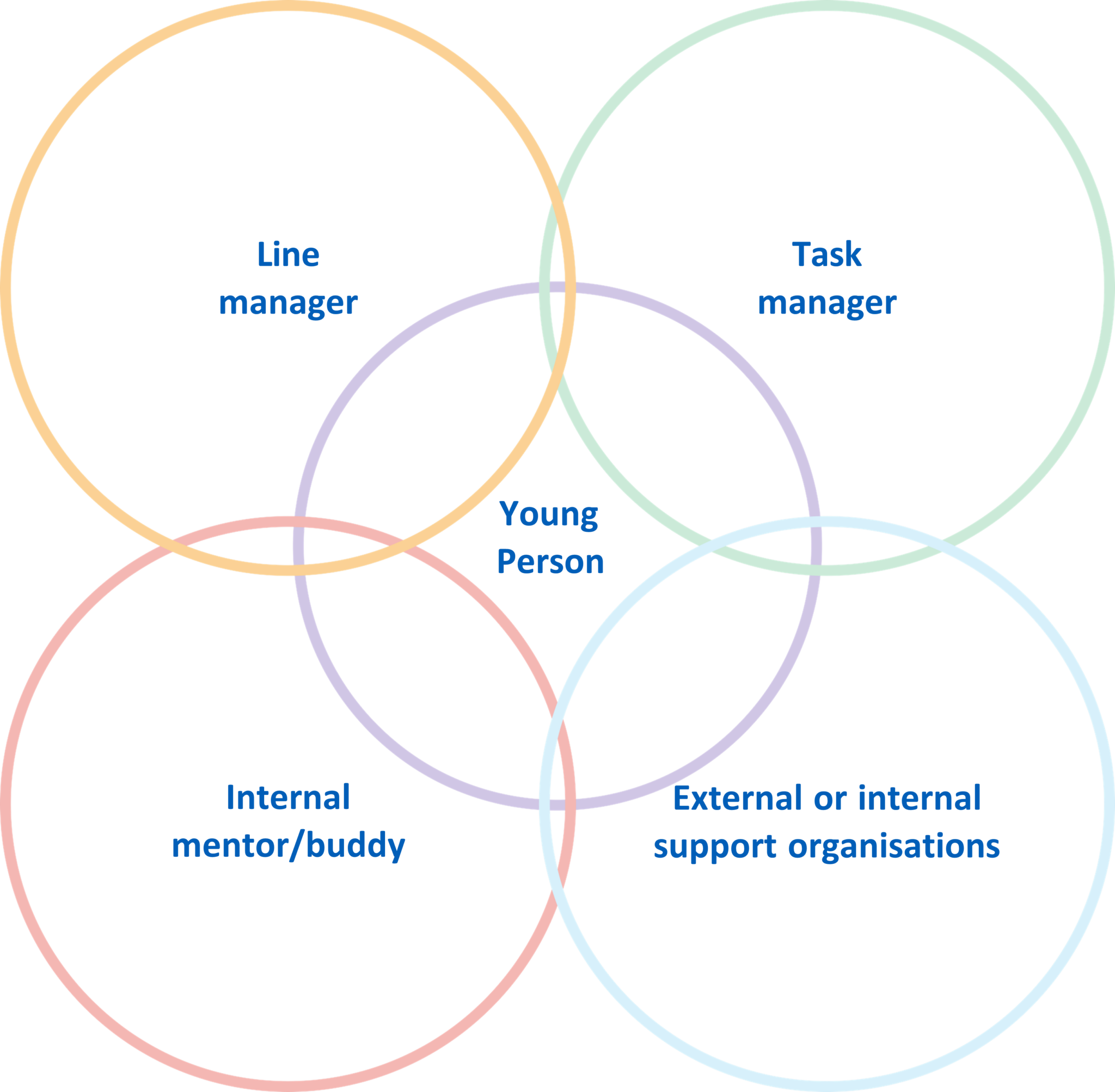
In NHS Birmingham and Solihull ICB, where James started his career, they’ve developed a consistent support system with representatives who can offer assistance and counsel on personal welfare, HR matters, recruitment, and equality, diversity, and inclusion.
The traditional NHS recruitment process—structured and often daunting—has been intentionally adjusted. Job advertisements now emphasize personal qualities rather than extensive qualifications. Application procedures have been reimagined to accommodate the specific obstacles care leavers might face—from lacking professional references to struggling with internet access.
Possibly most crucially, the Programme recognizes that entering the workforce can pose particular problems for care leavers who may be managing independent living without the safety net of parental assistance. Concerns like transportation costs, personal documentation, and bank accounts—taken for granted by many—can become significant barriers.
The brilliance of the Programme lies in its attention to detail—from explaining payslip deductions to offering travel loans until that critical first wage disbursement. Even apparently small matters like break times and professional behavior are thoughtfully covered.
For James, whose professional path has “changed” his life, the Programme provided more than work. It provided him a feeling of connection—that intangible quality that emerges when someone is appreciated not despite their past but because their particular journey enhances the workplace.
“Working for the NHS isn’t just about doctors and nurses,” James notes, his eyes reflecting the subtle satisfaction of someone who has discovered belonging. “It’s about a family of different jobs and roles, a group of people who really connect.”
The NHS Universal Family Programme represents more than an work program. It functions as a strong assertion that systems can evolve to embrace those who have navigated different paths. In doing so, they not only change personal trajectories but enhance their operations through the unique perspectives that care leavers contribute.
As James walks the corridors, his presence quietly demonstrates that with the right help, care leavers can flourish in environments once thought inaccessible. The embrace that the NHS has provided through this Programme symbolizes not charity but recognition of untapped potential and the essential fact that each individual warrants a support system that champions their success.